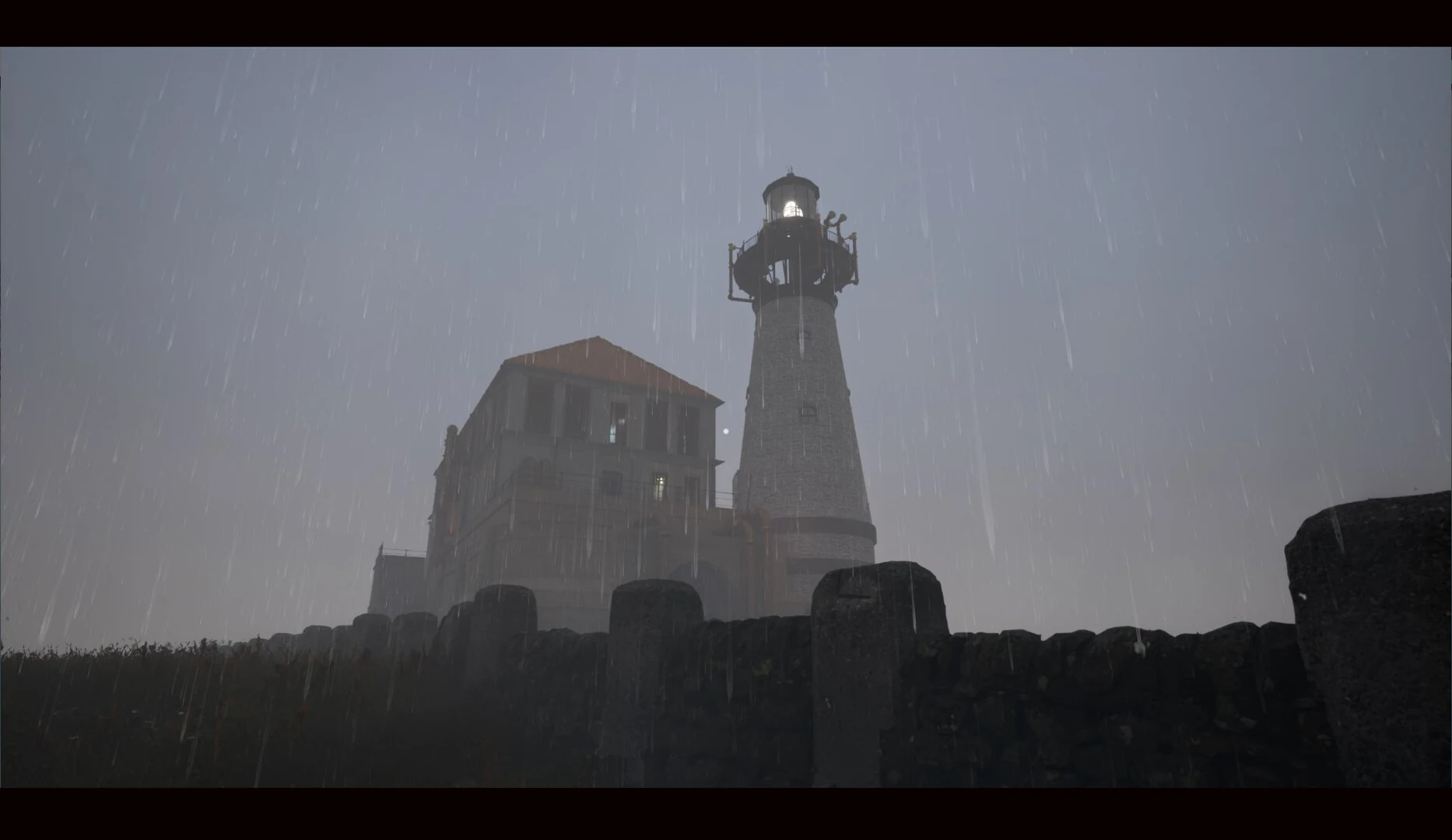
What is Tenebrae Lux in GTA 6?
The moment that made me laugh was the credits. Tenebrae Lux is a black-and-white lighthouse puzzle game you can play inside Grand Theft Auto VI. Cal Hampton puts it on in Jason Duval’s living room during the mission Feng Shui. Beside the lighthouse on the title screen, there’s a name above the title. “Johannes Zuch presents”. VGC’s walkthrough of Feng Shui.
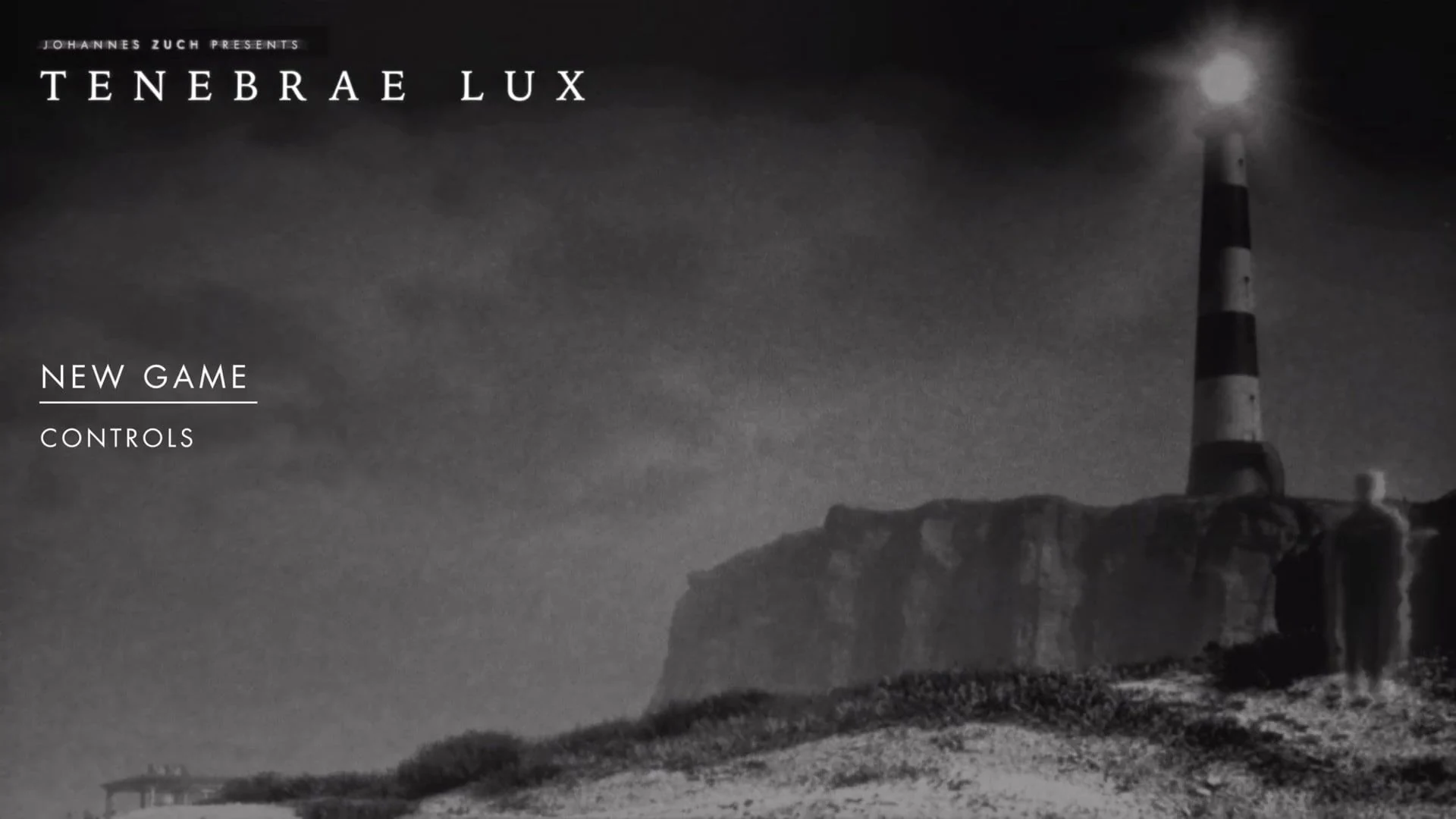
Cal is very keen to tell Jason that one man did the whole thing. Design, code, art, even the voiceover. Apparently Zuch did it all in a log cabin. Then you see the credits and there’s that same name, over and over again. GTA 6 Map’s account of the scene.
I made a dark, fairly poetic lighthouse puzzle game on my own. I knew exactly how a set of credits like that could happen. You can’t afford to hire anyone else. And if you’re anything like me, you also quite like being able to make every decision yourself. Both things can be true. Give me a budget for an entire team and I suspect I’d still want to have an opinion about the lettering on a signpost.
My first indie game was The Wickie: Journey of a Lighthouse Keeper, a first-person mystery set in the Outer Hebrides in the 1930s. I spent about six years on it. I wanted to make somewhere beautiful and unsettling that you could wander around and try to make sense of. Somewhere in those six years, I also decided that opening a door ought to involve three books, twelve digits and possibly Hadrian’s Wall. The Wickie on Steam.
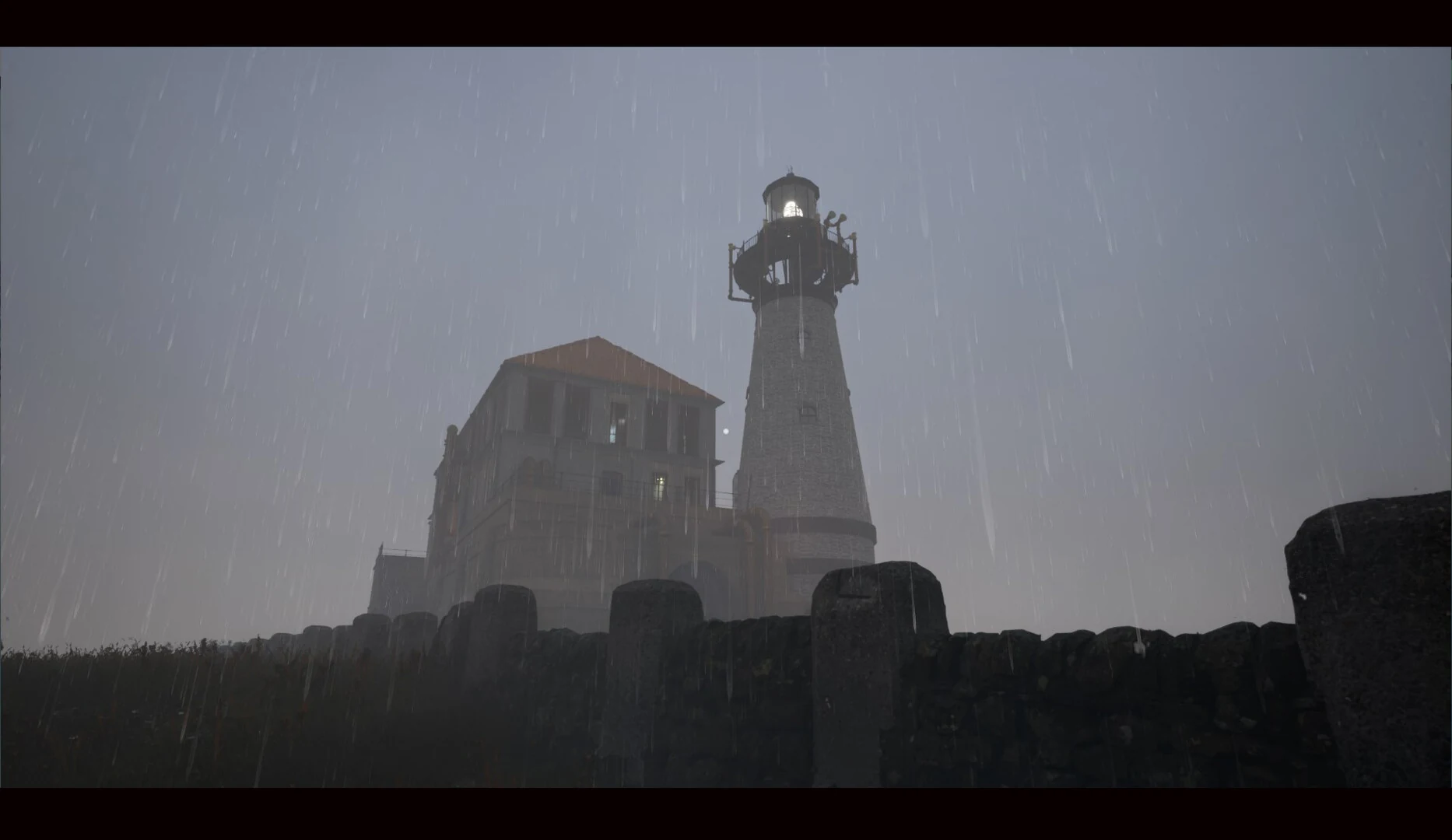
The Wickie’s twelve-digit mine puzzle
In an early version of The Wickie, getting into the mine meant entering a twelve-digit code. The code came from three books in three different places on the island. I think one was in the lighthouse keeper’s office, and one was in a remote cabin on the side of a cliff. I can’t remember where I put the third.
Finding the books was only the beginning. One date was the year a book was published. Another was the publication year of the author’s favourite book, which you learned about in a second book. The third might have had something to do with when Hadrian’s Wall was built. I genuinely can’t remember.
Once you had the dates, you still had to put them in the right order and remember how each group of digits had to be entered. The first four went in backwards. So did the second four. The last four went in according to a separate, awkward rule. I’d made it all myself, so naturally I sat down to test it and couldn’t work out how to get into the mine.
I’d literally just finished building it.
At the time I was proud of making puzzles that hard. I thought people who liked puzzle games wanted something that would make their heads hurt. I’d spent long enough with the books and the dates to feel a real sense of satisfaction at the way it all fitted together. A player coming to it cold had to work out which bits of reading mattered, which dates counted, and why the rules for entering those dates kept changing. And they still had an entire island to search.
There’s a puzzle in Tenebrae Lux where the same room changes across six different dates. You spot what’s changed, turn each anomaly into a digit, then put the digits in date order and dial the number. Of all the possible jokes to find in GTA 6, I hadn’t expected one to involve getting a code out of a set of dates. Even the bit about putting them in the right order felt uncomfortably close to home. Dork’s guide to the Tenebrae Lux phone puzzle.
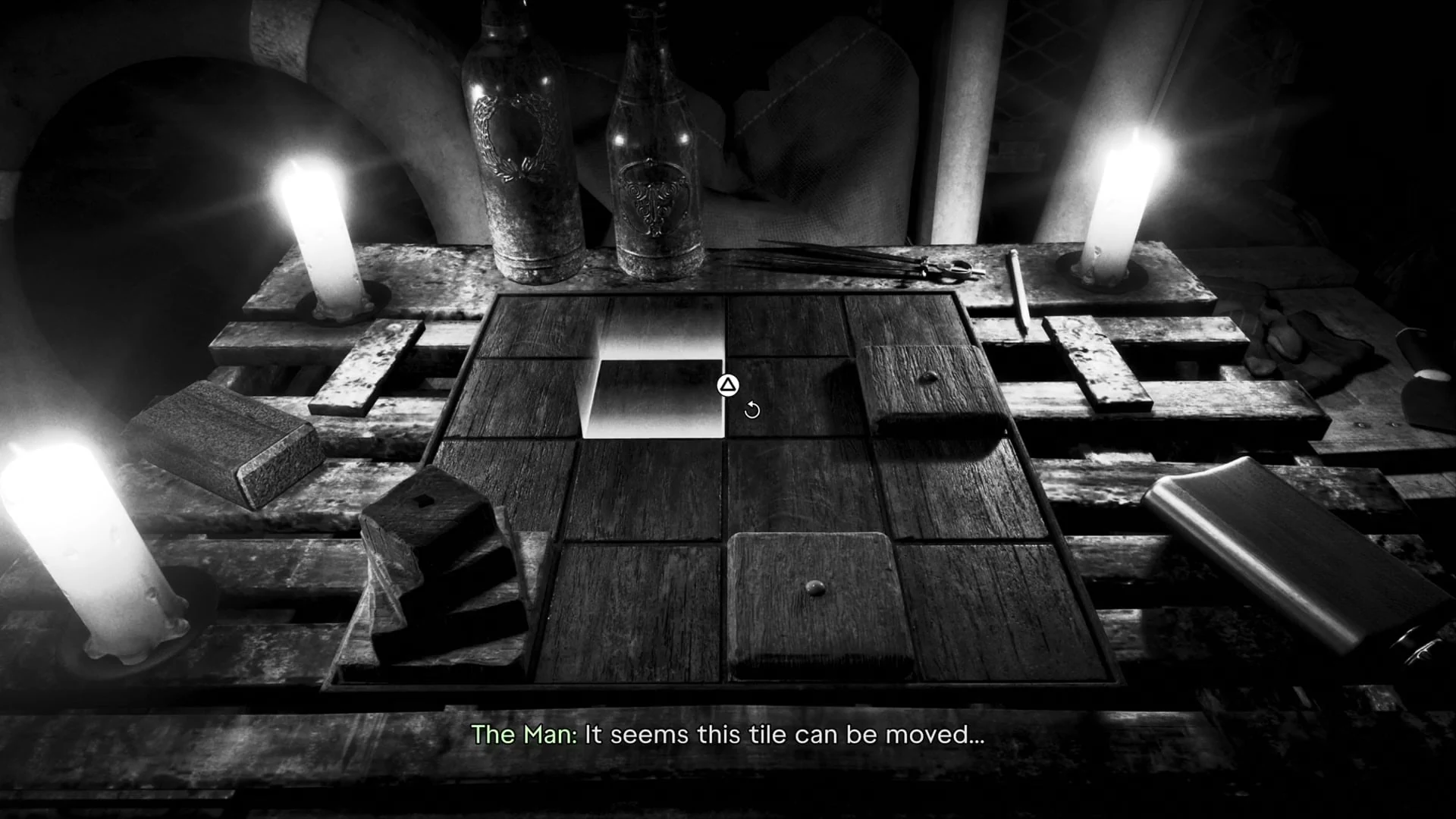
Three months on a typeface for The Wickie
I can admit I was pretentious, particularly at the start. I spent three months on a typeface because I wanted the letters, communications and signs to look like the work of an engineer in 1922. I went looking for German sans-serif typefaces from the period and ended up rebuilding one for the game. In one version, I even had the German team’s letters written in period German. It made sense to me that those people would write to one another in German. It would also have helped if the person playing the game could read what they’d written.
I’m still proud of the environment work. The whole point of The Wickie was to make a place you could believe people had lived and worked in. I’ve talked about that at Gamescom because it’s one of the hardest things I do. You can build a room quickly enough with procedural tools. Making it feel as though somebody spent years working there is another job. The tools I use now, including AI, help me take on work I’d struggle to get through alone. I still have to decide what somebody would have left in a room and where they would have left it. I’d happily spend time on that again. Three months on the lettering might be pushing it.
Then somebody fell through the scenery
I remember watching someone play. I was proud of how it looked. I was proud of the absurd puzzles. I’d tested the game myself for ages. Then the player went somewhere I hadn’t thought to go and fell through a gap in the scenery.
I’d been testing the route I knew. They had been given an island and were doing exactly what people do when you give them an island. They went over to the edge of things to see what was there. They fell off cliffs. They fell into the sea. I remember thinking, Oh Jesus, I’ve got so much work ahead of me.
I put out a substantial update after release, with a rebuilt opening and changes to the puzzles. I’m glad I did it. I also think that by then I’d already asked too much of some of the people who’d given it a go. A big patch can change the game people download tomorrow. The person who fell through the scenery has already had their evening with it. The Wickie 2.0 details on Steam.
What I changed for The Outer Islands
With The Outer Islands, I’m still making strange places I want people to spend time in. There’s a quarantined island chain, a hospital full of machinery and a signal that’s started up again after twenty years. I still want players to examine things and draw their own conclusions. I’m also quite happy to ask them to find a key and use the key. People like opening a door they’ve been wondering about. The room on the other side can do a great deal of the work.
In the demo, you can find a heater for Daisy, your little truck. You’re driving through snow and Anne is cold. There’s a reason to take an interest in the heater as soon as you hear about it. You can still spend time poking around the island on the way. I like that a player can understand what an object is for and still be curious about where the search will take them. The Outer Islands demo and press kit.
That’s what I find endearing about Tenebrae Lux. It recognises a kind of game that comes from one person setting their sights very high and spending years following an idea that makes perfect sense inside their own head. As a solo developer, you can follow that idea a very long way before anyone asks you to explain why the mine needs twelve digits. I’m fond of the games that come out of that process. I’m also familiar with what happens when you hand someone the controller.
Cal and Jason give the lighthouse game a decent go. Then Jason asks for something else, and they put the zombie game on. I laughed because I’ve been the person who wants you to see what’s inside the lighthouse. I know how much work went into getting you there, and I can see why you’d want to play the zombie game. Dork’s guide to Tenebrae Lux.
Anyway, I’ve still got the font.